
Frequently Asked Questions
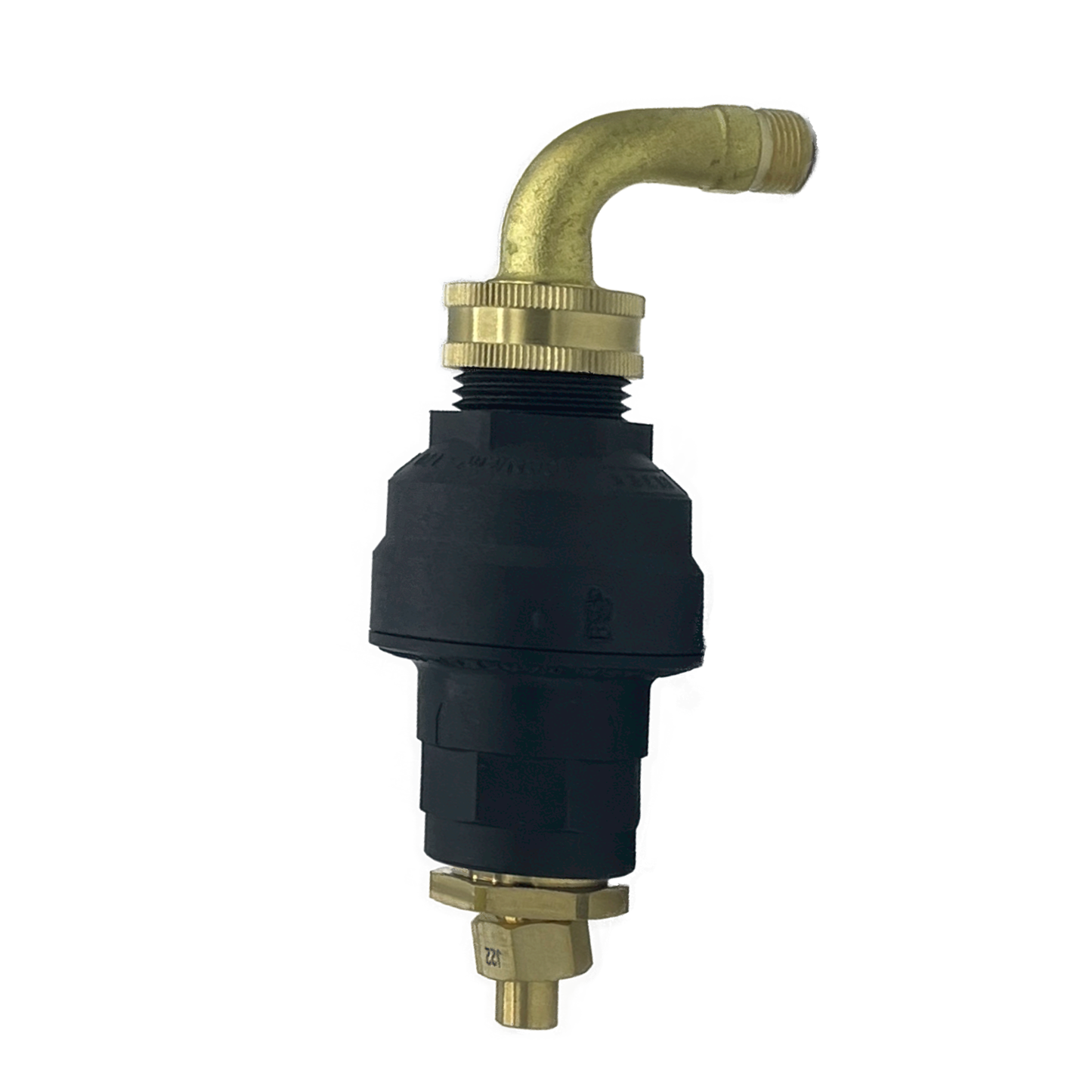
The Water Block has an internal mechanical gearing and spring valve system that automatically shuts off water flow when continuous water volume through the device exceeds the shutoff activation setting (which is set by the end user/installer).
As long as the water volume that has flowed through the device during a measurement cycle does not exceed the activation setting, the device will automatically reset itself once water flow stops. This means that this unit requires minimal maintenance and that if the device activates, there is an abnormal operating condition which needs to be evaluated.
No, the Water Block Toilet Kit is designed for straightforward DIY installation. Most homeowners complete it in 10–20 minutes using basic tools. We include detailed step-by-step instructions with the kit and have videos on YouTube. If you're not comfortable working with water lines, a plumber or professional installer should be considered.
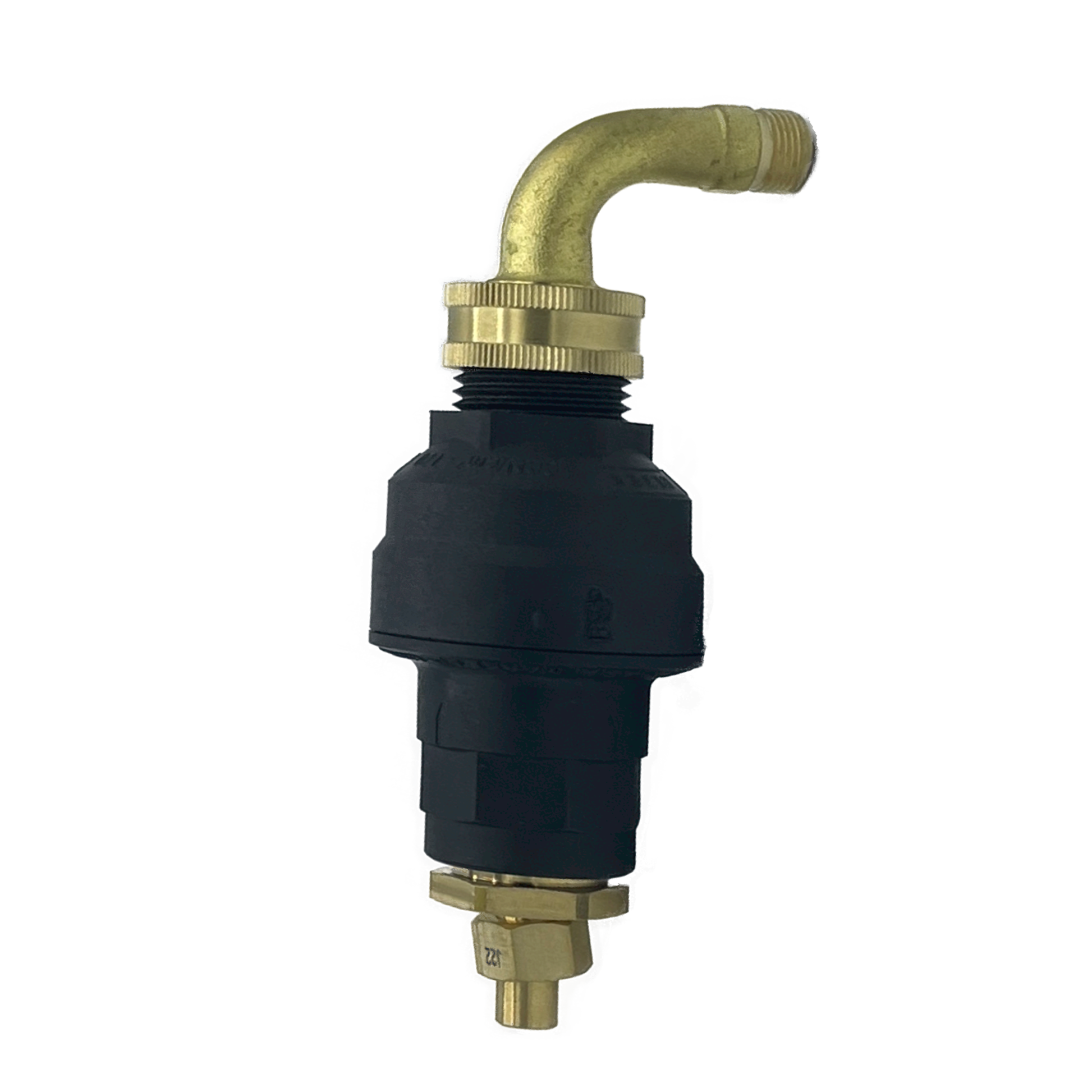
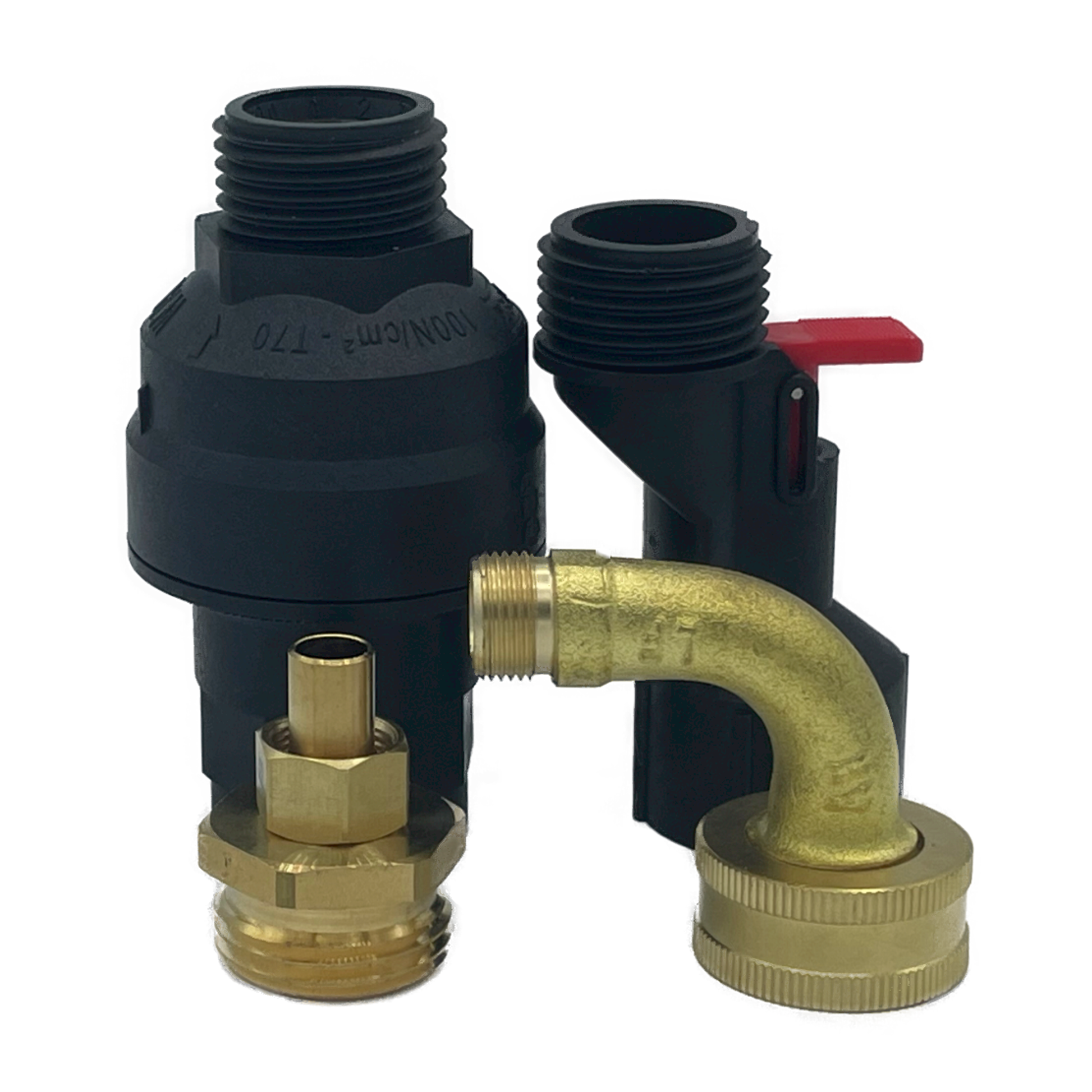
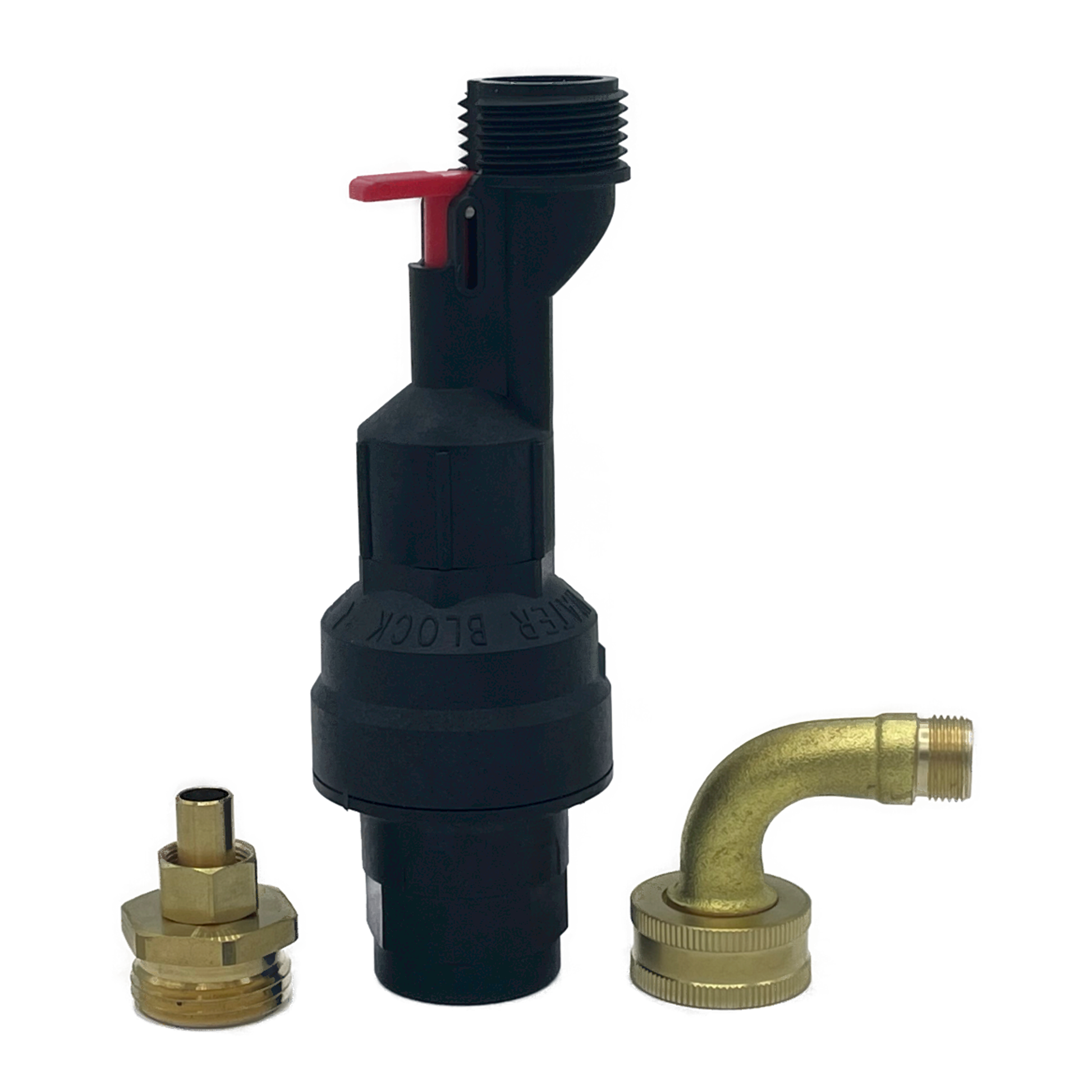
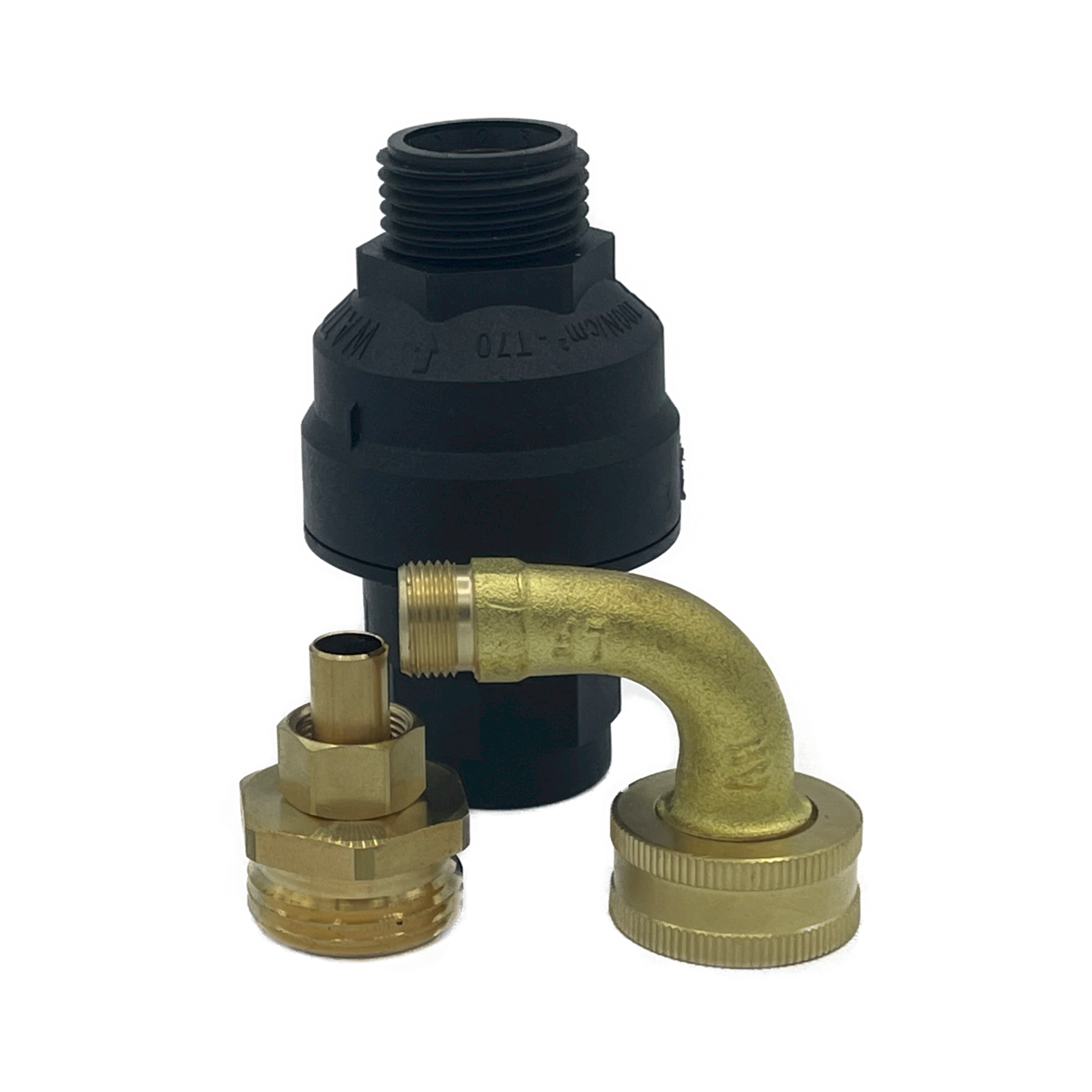
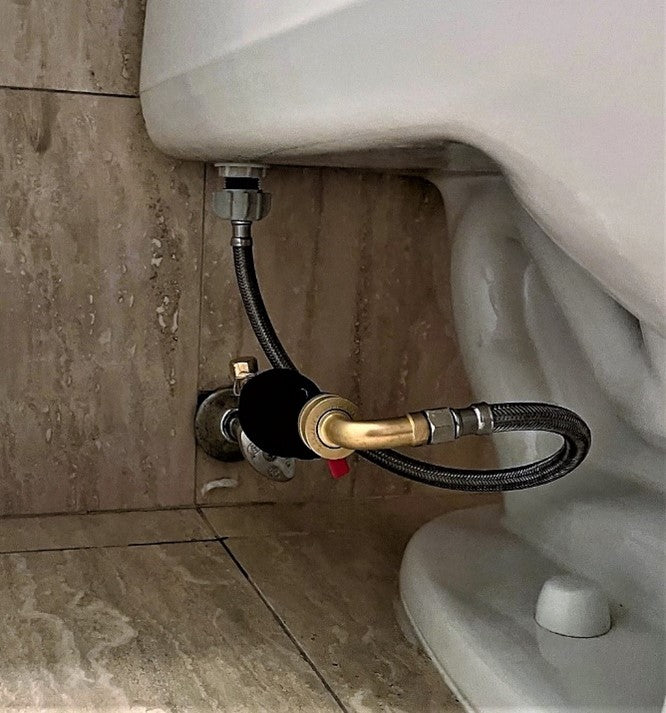
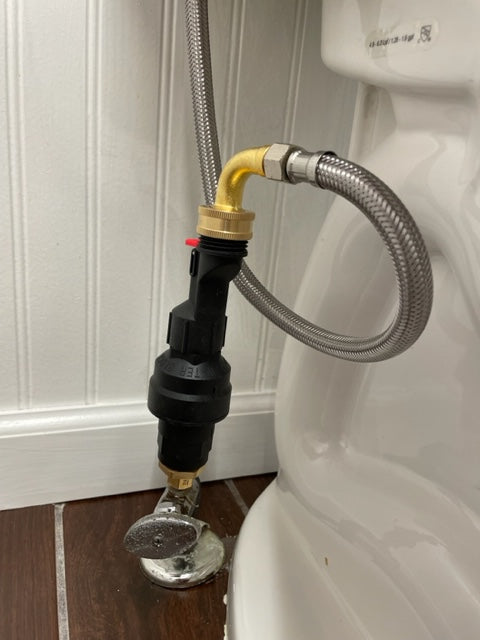
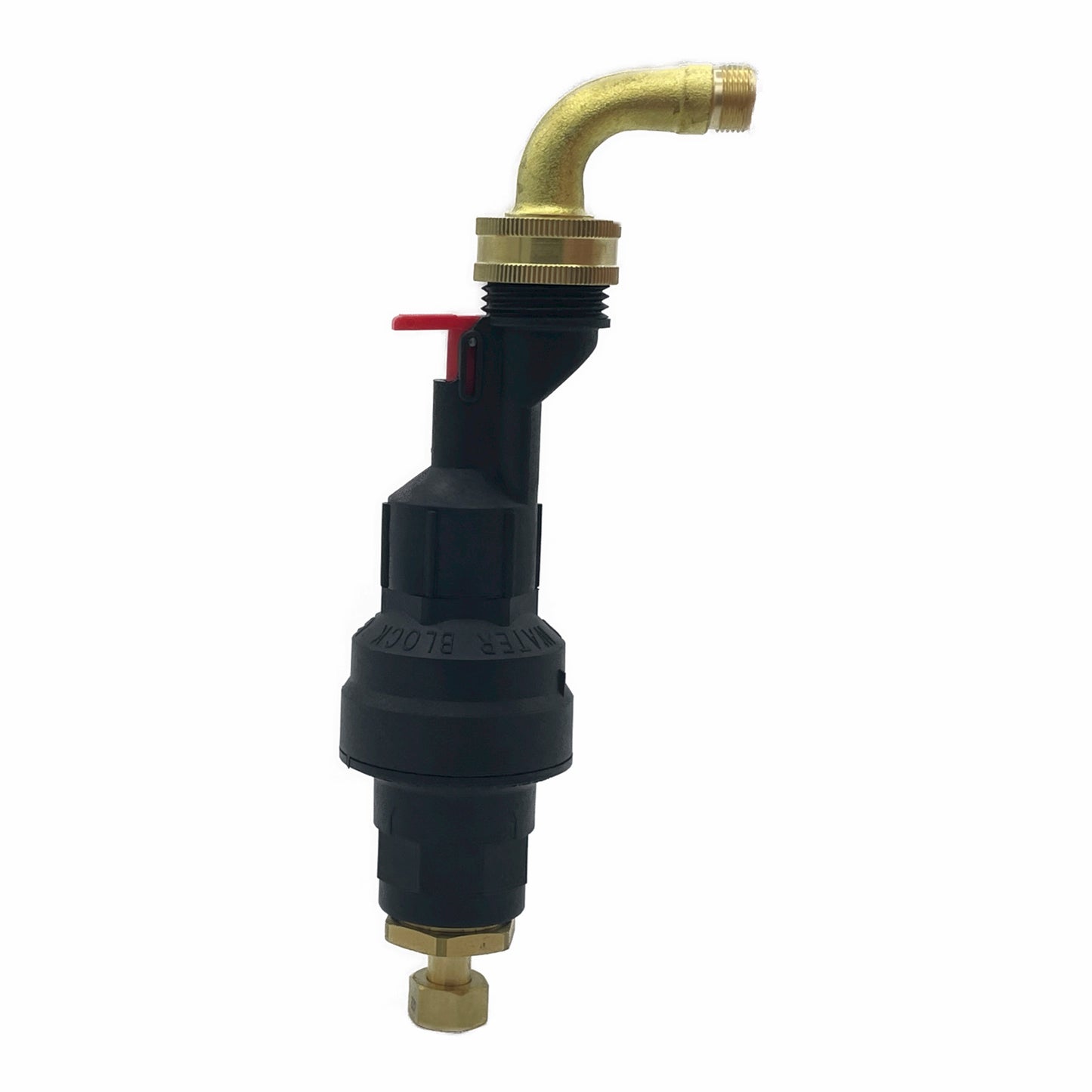
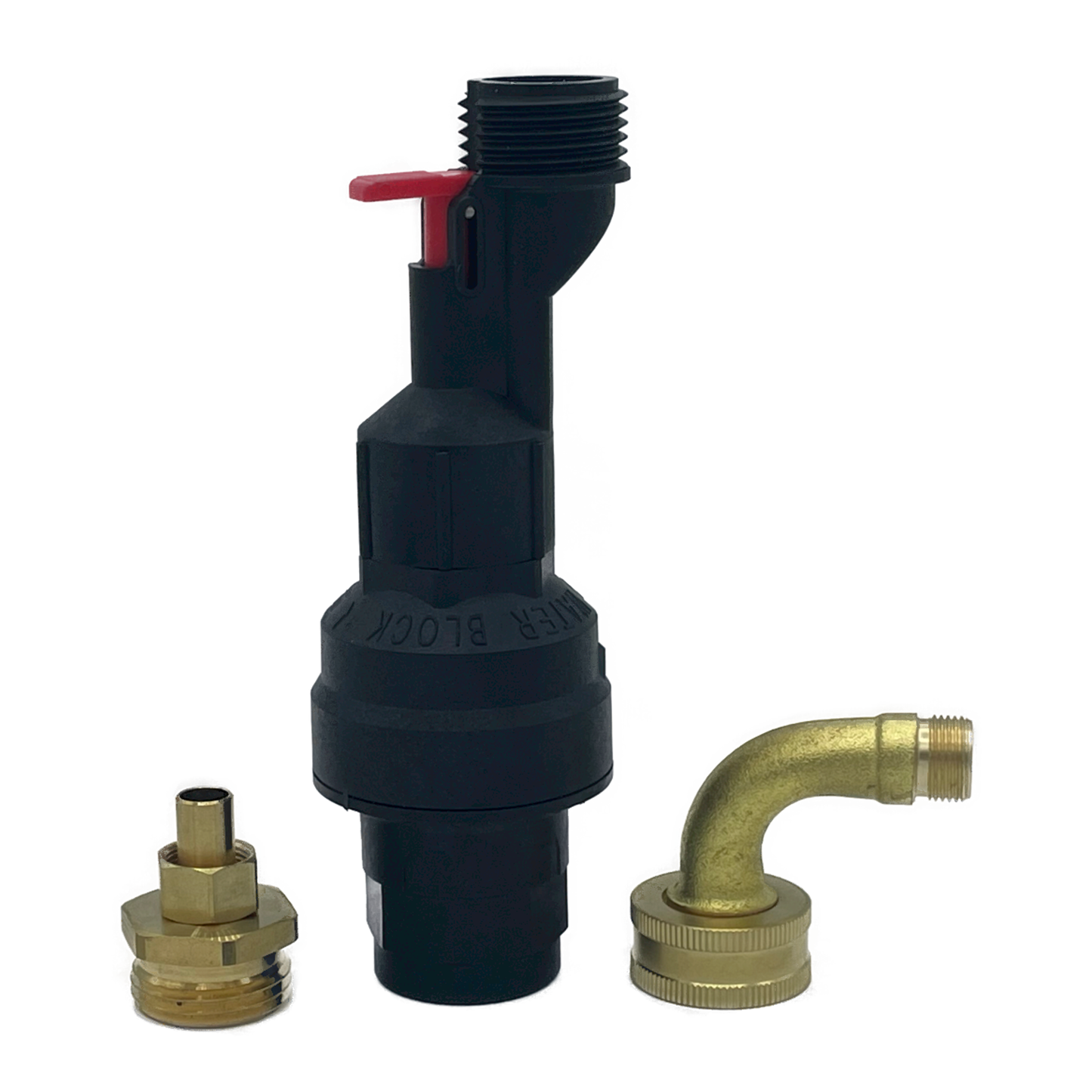
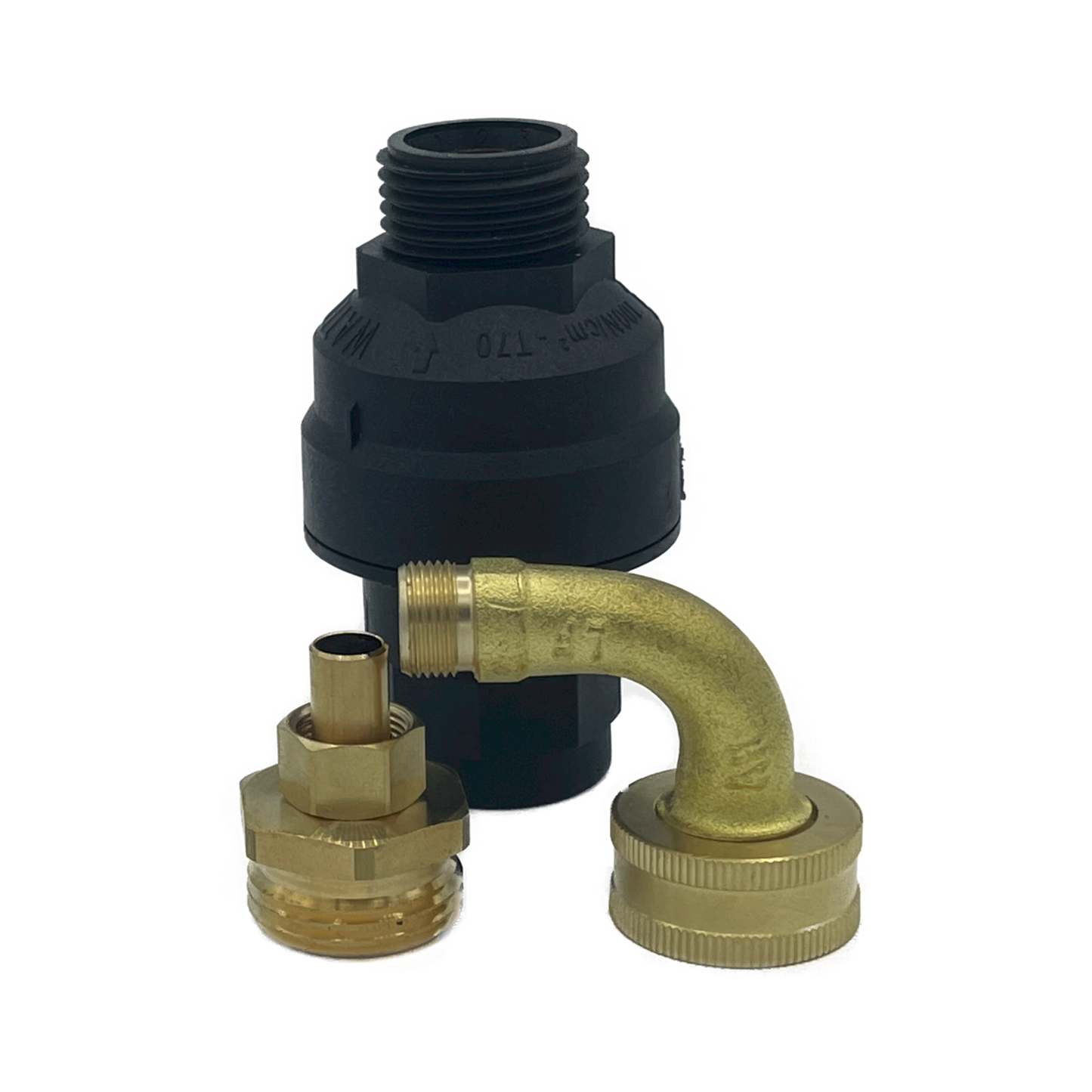
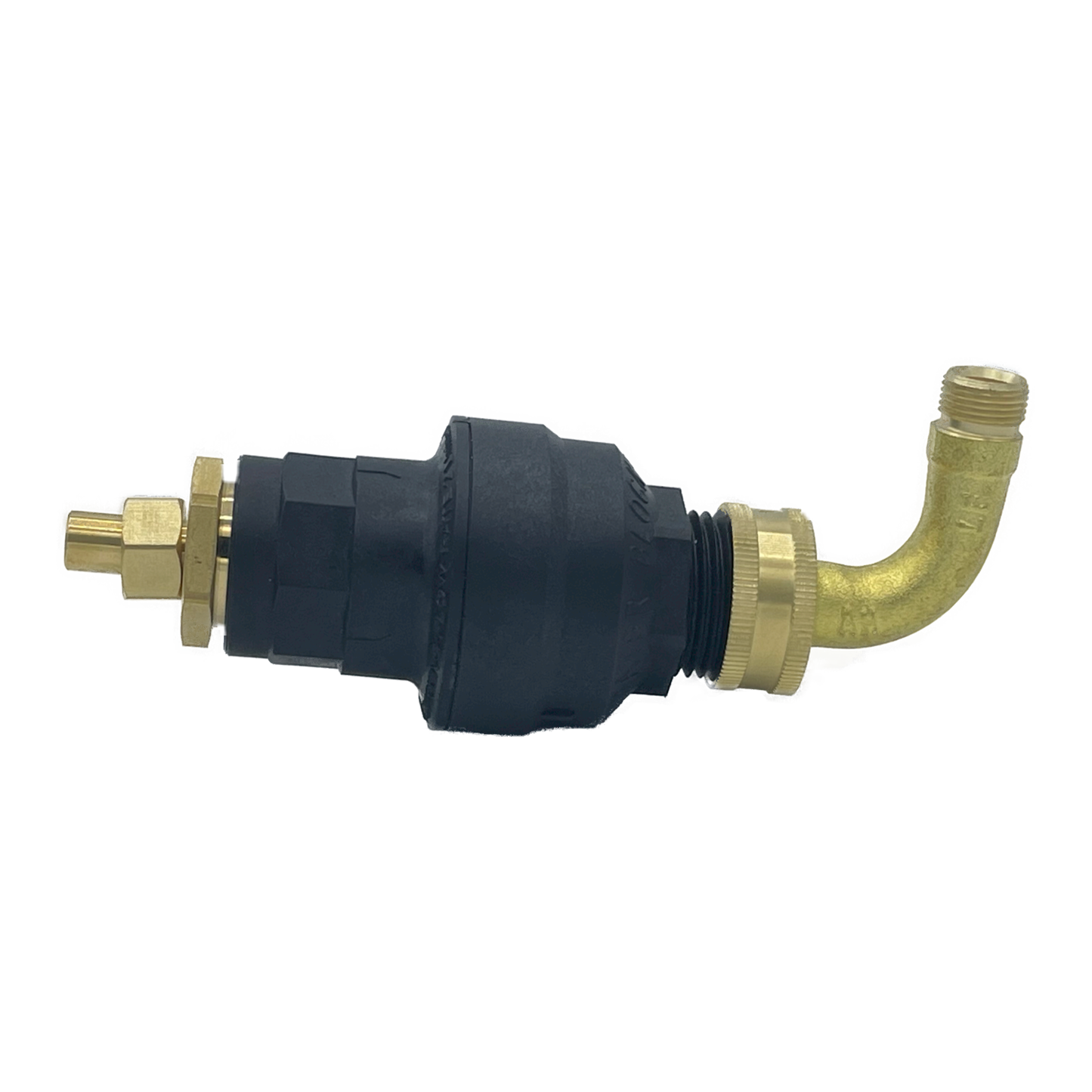
The Water Block fits most standard toilets and installs directly onto your existing 3/8" supply stop valve—whether it comes from the wall or floor. The vertical configuration needs at least 9 inches of clearance between the stop valve and your toilet tank bottom.
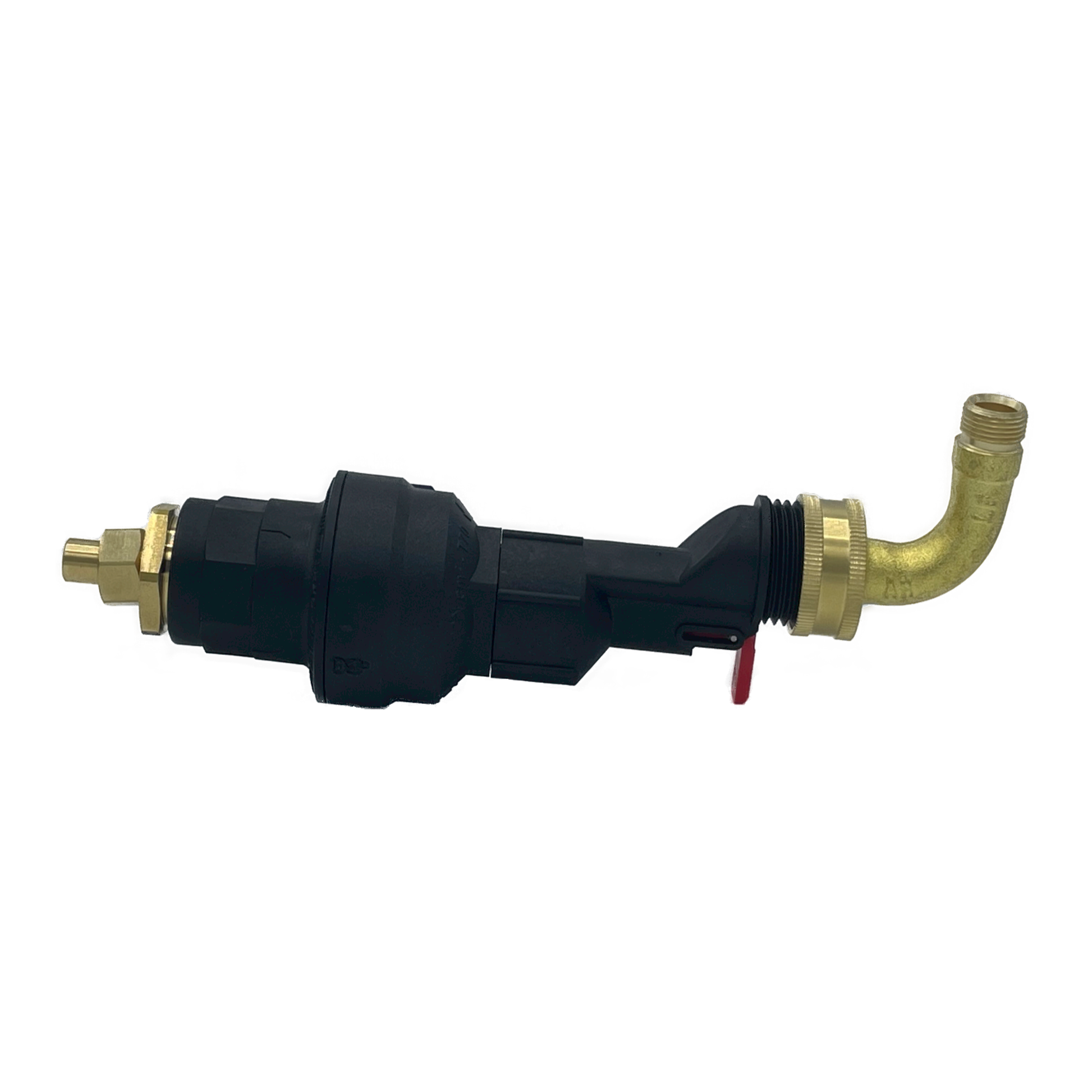
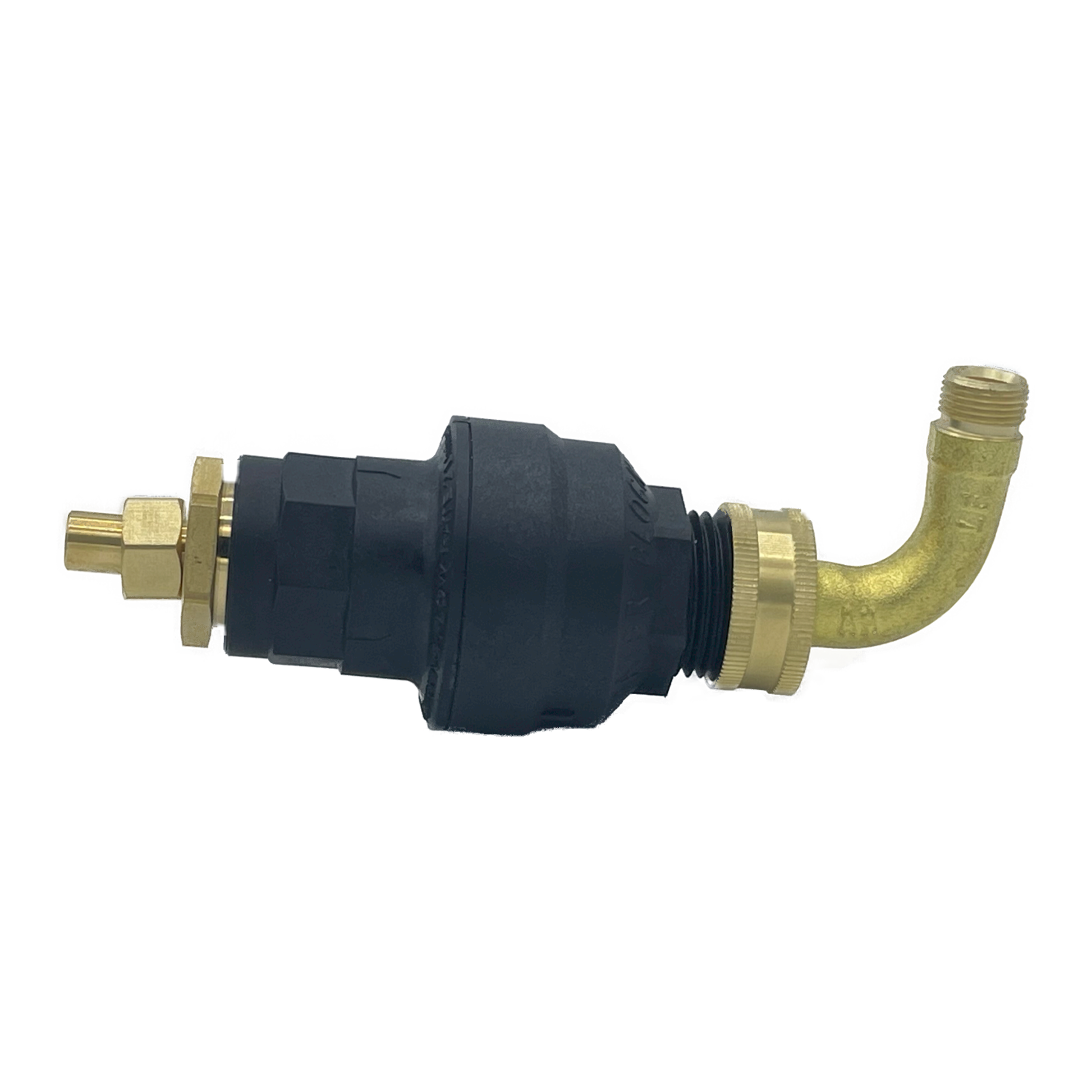
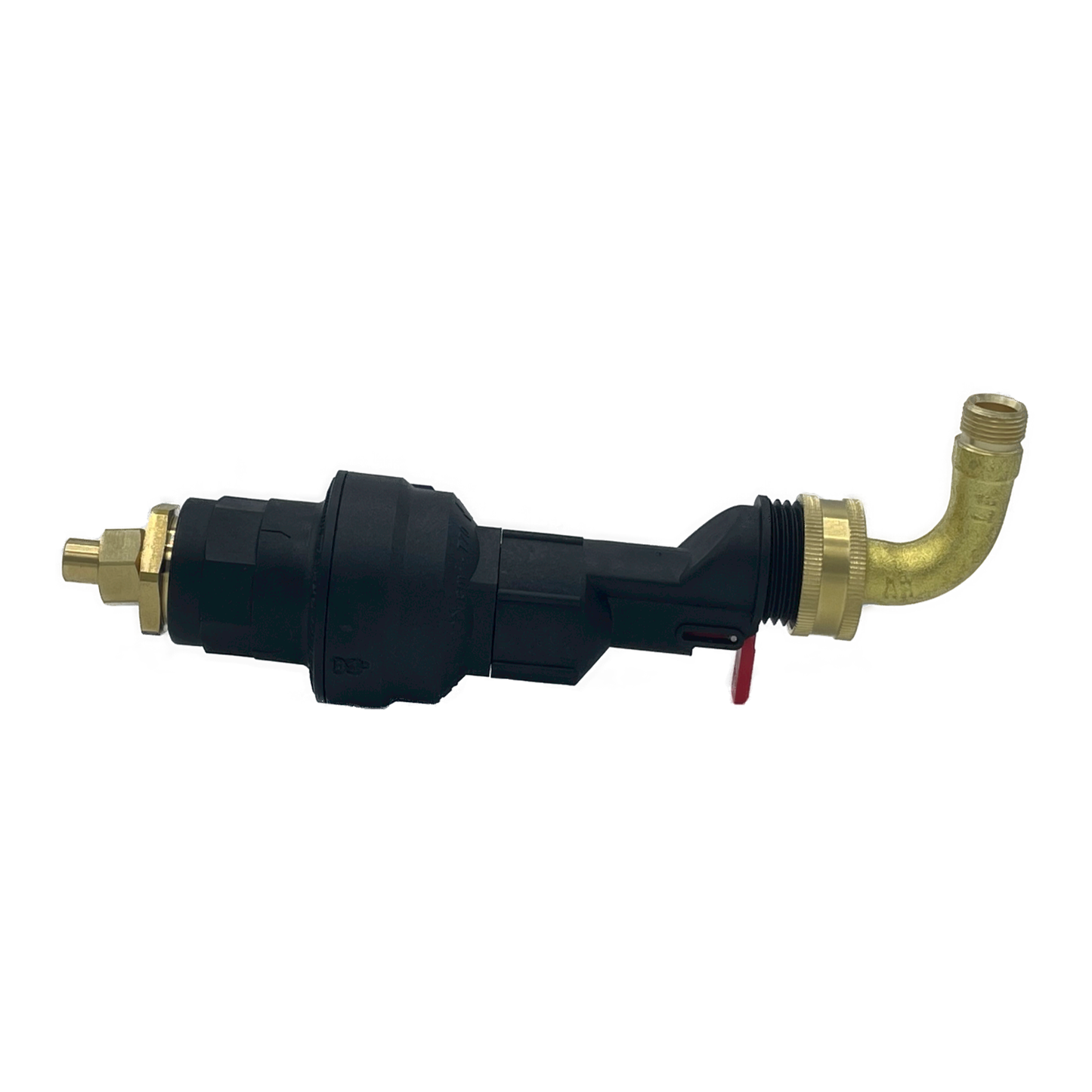
Running tight on space? The horizontal installation kit is a better fit for compact setups; "Water Block Toilet Shutoff Kit for Horizontal Installation".
No, the Water Block operates entirely mechanically. There are no batteries, electricity, or smart home connections required, making it reliable even during power outages and when you are away for extended periods of times.
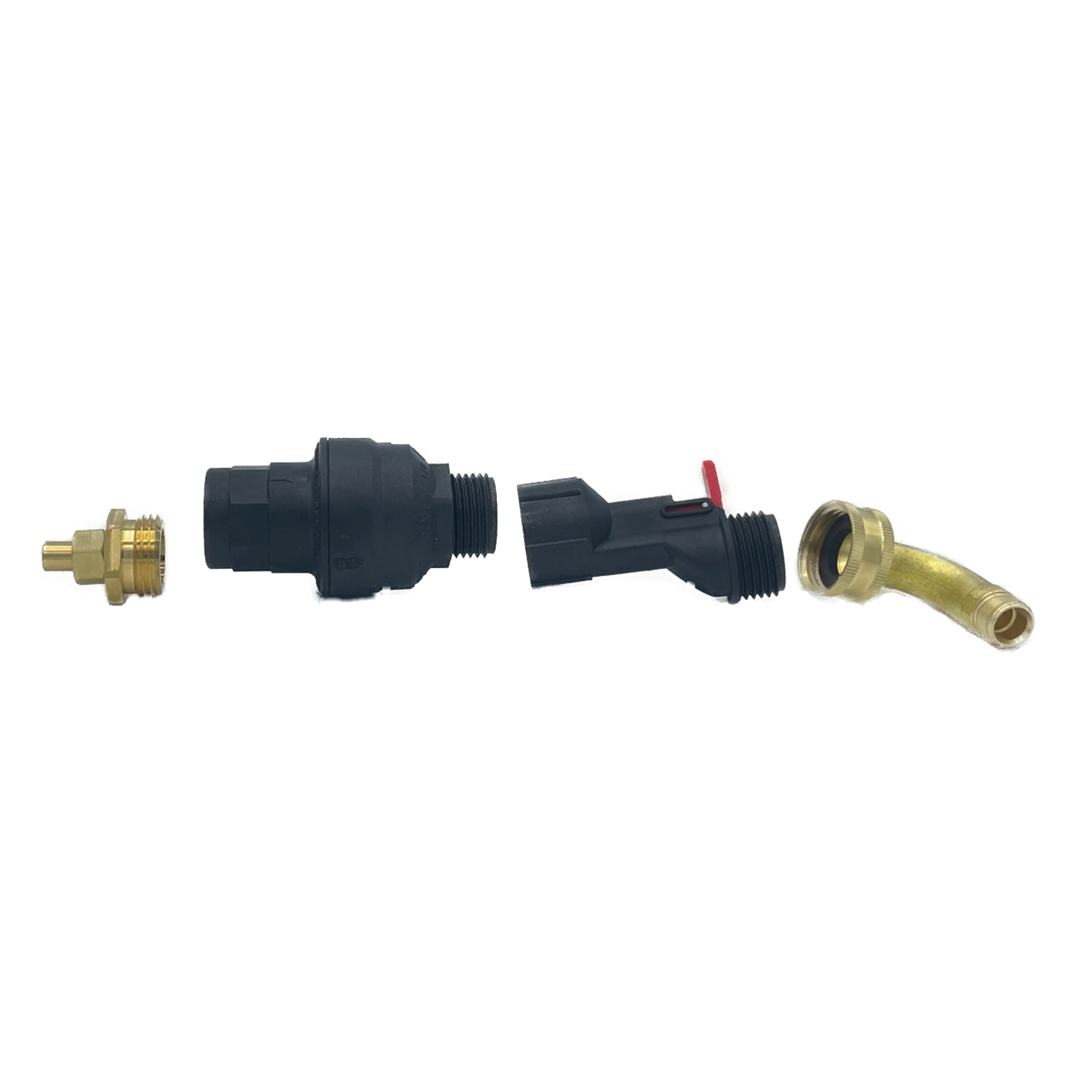
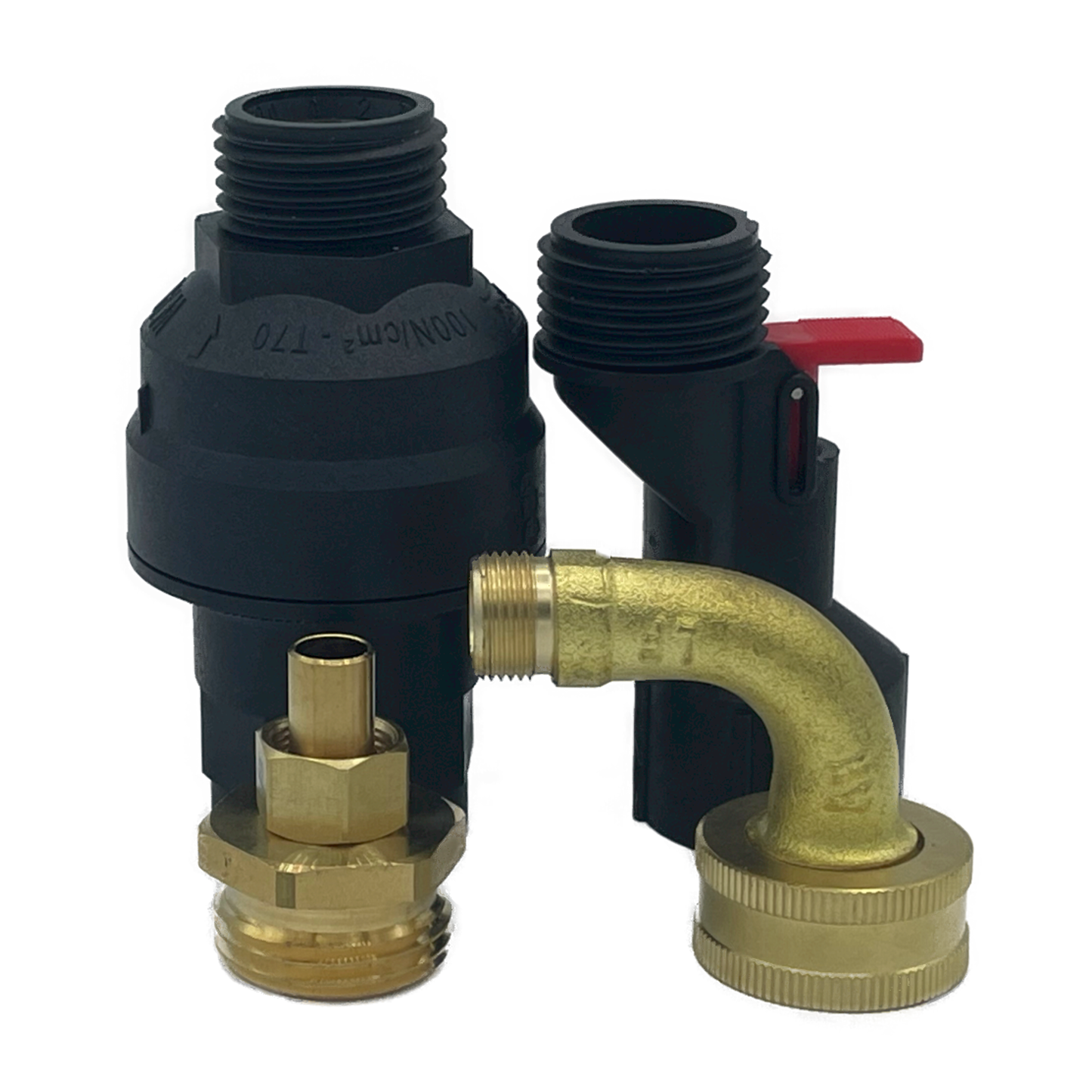
When water flow exceeds the activation threshold, the Water Block automatically shuts off water flow until the device is manually reset. A red pin inside the device must be reseated to restore water flow. You have two reset options:
1. Purchase the configuration with the Reset Device which allows you push the pin back into place without needing to disconnect any parts or lines. Check out this YouTube on how to reset the Water Block with the Reset Device: https://youtu.be/7H7chQrWWTs
2. Shut off the water supply at the stop valve, disconnect the downstream elbow connection, manually reseat the pin by pressing it back in place with your finger, and then reconnect everything.
The Reset Device option eliminates downtime and complexity, making it the preferred choice for most installations.
Some property managers prefer the configuration without the Reset Device as it requires the maintenance team to investigate why the device activated which is typically due to a failed part in the toilet leading to a running toilet event.
Leaks and running water due to:
- Worn flapper
- Mis-seated flapper
- Stuck float valve
- Chain kink
- Stuck handle
- Loose or bad tank parts
- Supply hose burst
- Cracked coupling nut
- Cracked tank
- Bidet connection leak
- Double flushing due to clogged toilet
- Other events or failures
*Note: Water Block requires a minimum flowrate of 0.50 gpm for accurate measurement.
Yes, we recommend installing a Water Block on every toilet in your home for complete protection. Each unit operates independently, protecting only its specific toilet. As a point-of-use device, it shuts off water to that toilet alone, not your entire plumbing system. This targeted approach is especially valuable for property managers and multi-unit buildings, where isolating a problem toilet prevents service disruptions elsewhere.
The Water Block device has been rigorously lab tested under various operating conditions and proven to operate reliably well beyond 79,000 gallons. This threshold represents the conservative testing benchmark. Actual product life extends significantly further under normal household use, making it a durable long-term investment in your home's water safety.
Have Questions? Fill Out For Assistance!
